
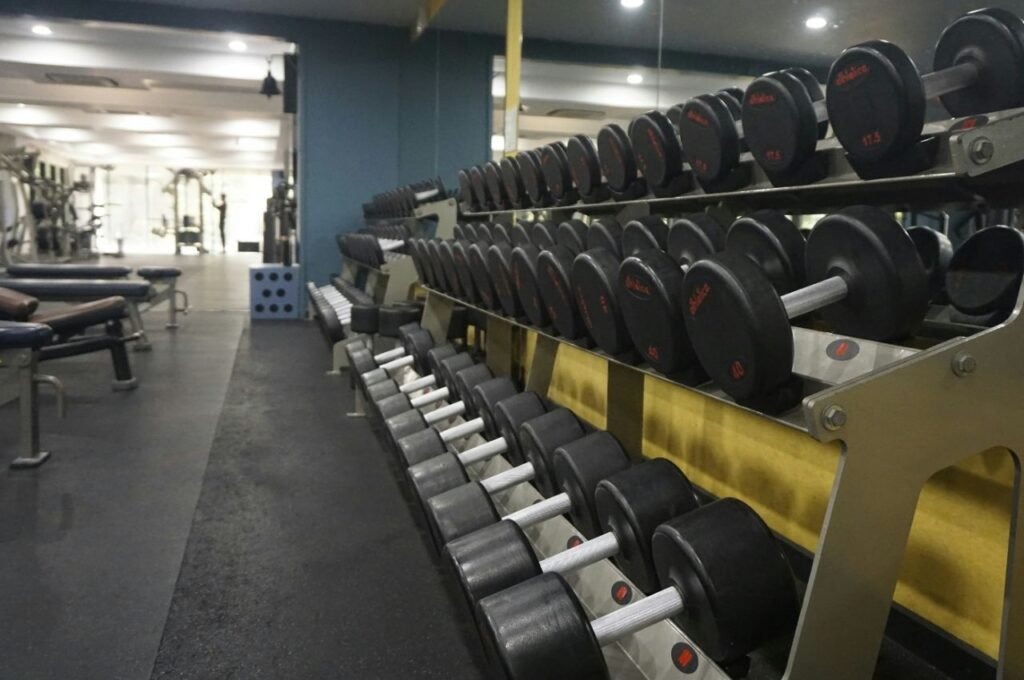
Have you ever promised yourself you’d start working out “next Monday”, and then Monday quietly passed? Most beginners I meet as a trainer say something similar. They don’t lack willpower. They simply don’t know where to start, and walking into a gym for the first time feels like walking into a room where everyone else already knows the rules.
This guide to fitness for beginners is for you. We’ll cover what fitness really means, ten practical reasons a gym can help, what to do on your first day, and how to avoid the mistakes I see beginners make again and again. No promises of overnight transformation, just a realistic starting point. For more ideas on staying active on the road, read our travel guides.
In this guide: What fitness is · 10 reasons to join a gym · Types of training · A first-day plan · Weekly schedule · Gym vs home · Nutrition and recovery · Common mistakes · FAQs
What Is Fitness?
Fitness is your body’s ability to handle daily life comfortably and still have energy left over. It is not just big muscles or a low number on the scale. It includes five physical qualities:
- Cardiovascular endurance: how well your heart and lungs sustain activity (climbing stairs without struggling).
- Muscular strength: how much force your muscles can produce (lifting a suitcase).
- Muscular endurance: how long your muscles can keep working (carrying shopping bags).
- Flexibility and mobility: how freely your joints move.
- Balance and coordination: how well you control your body.
Fitness also has a mental side. Regular activity is linked with better mood, lower stress and better sleep. It is a helpful part of a balanced routine, but it does not replace professional care when you need it.
You don’t need to excel at everything. Pick the qualities that matter for your life. One person may want to lose body fat; another may simply want to carry luggage on a trip without back strain. Both are good goals.
Why Fitness Matters in Modern Life
Long hours at a desk, commuting, and screen time mean many of us barely move. Exercise can help with everyday things: stairs, travel, playing with children, staying strong as you age, and unwinding after a stressful day.
The World Health Organization recommends adults aim for 150 to 300 minutes of moderate aerobic activity a week, plus muscle-strengthening on at least two days. Treat that as a target to build towards, not a day-one requirement. Some activity is always better than none.
10 Reasons to Join a Gym
A gym isn’t the only way to get fit, but it offers equipment, structure and guidance in one place. Here is why that can help.
1. Heart health and endurance
Treadmills, bikes and cross-trainers let you control intensity precisely. A beginner can start with ten comfortable minutes and add time gradually. Trainer tip: if you can speak in short sentences, your pace is about right.
2. Strength and muscle
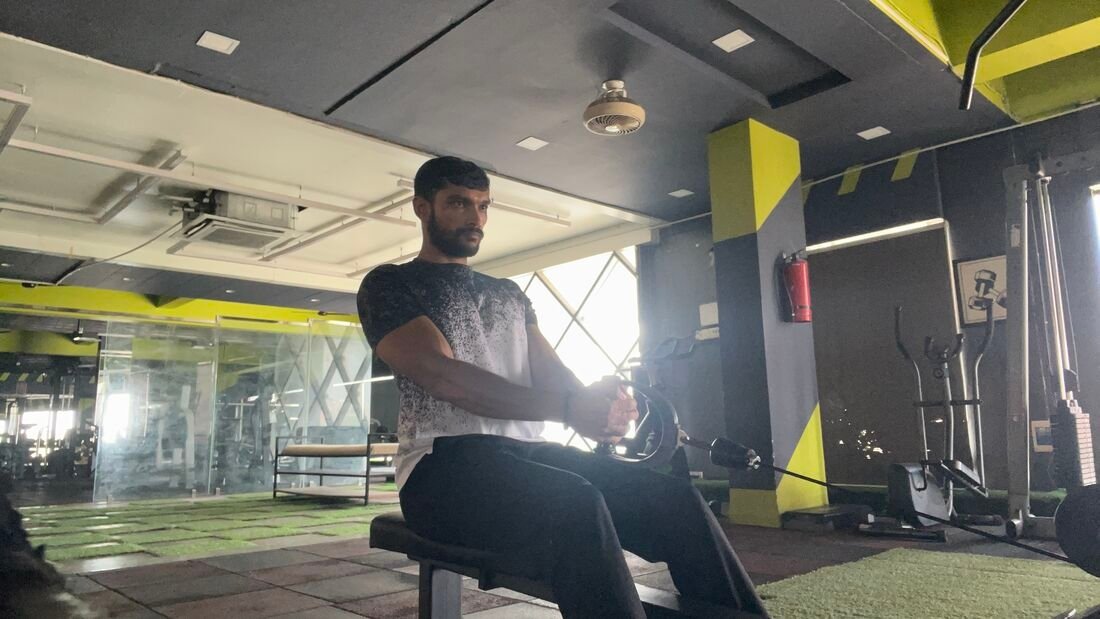
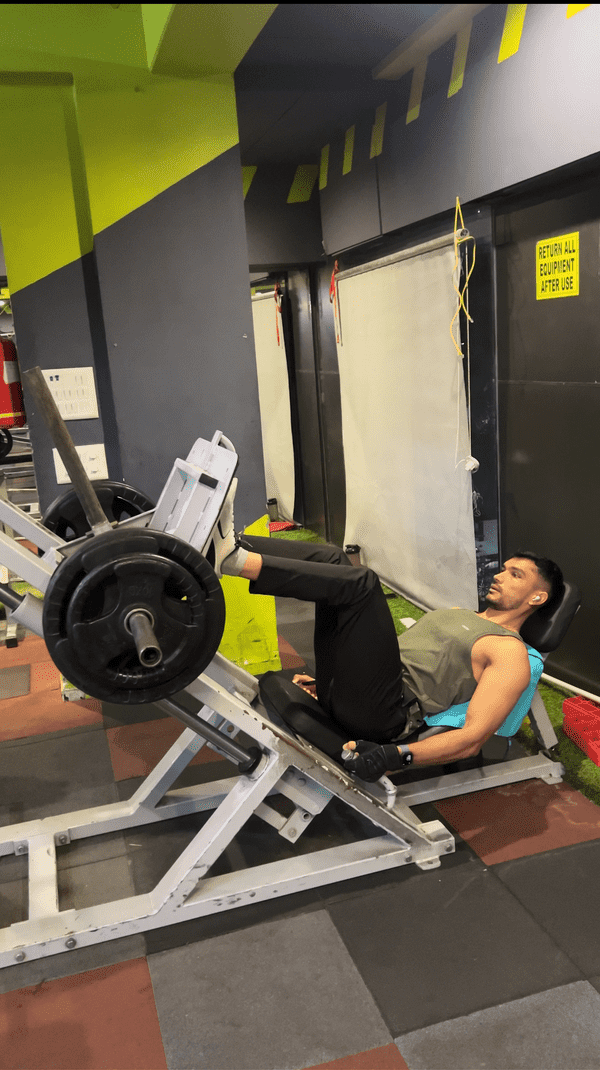
Machines guide the movement path, which makes them a friendly starting point. A simple first session: chest press, seated row, leg press and a controlled core exercise. Choose a weight you can lift with control. Nobody is watching what’s on your stack.
3. Weight management
Exercise supports fat loss, but food, sleep and consistency matter just as much. A realistic beginner combination is three strength sessions, regular walking and balanced meals. Judge progress by more than the scale: strength, energy, measurements and how clothes fit.
4. More daily energy
It sounds backwards, but moving regularly usually leaves you with more energy over time. Expect to feel tired after early sessions. If fatigue stays with you for weeks, see a doctor rather than training harder.
A trainer’s story: building stamina with asthma
One client came to us wanting to improve his stamina. He has asthma, and he had already tried several gyms where he was simply told to “do regular exercise” with no guidance. Understandably, he found it hard to trust another gym.
We asked him to give us three days, then decide whether to stay or leave. We started with easy cardio and taught him to focus on his breathing. Within a few days he chose to stay, and we began tracking his routine, progress and diet together.
After a month he was noticing real changes in his stamina, and he found his sessions felt easier and he needed his inhaler less during workouts. He continued training with us. (If you have asthma or any breathing condition, talk to your doctor before starting, and always follow their advice about your medication.)
Lesson: Good guidance and a patient start matter more than hard training.
5. Mental well-being
A workout is protected time for yourself. Music, a training partner or an outdoor walk can all make it enjoyable. You don’t need a personal record for a session to count.
6. Better sleep and recovery
Regular activity tends to improve sleep. But very hard late-night sessions or heavy caffeine can work against you. If you’re always drained and your performance is dropping, reduce the load.
7. Stronger bones and movement
Strength and weight-bearing exercise support bone health and everyday function. Learn to move with control first. If you have an injury or ongoing pain, get professional advice before choosing exercises.
8. Confidence
Your first win might just be adjusting a machine on your own. Then completing a full session. Then noticing an exercise feels easier than last week. Keep a simple log of exercise, weight, reps and how it felt; looking back after a month is motivating.
A trainer’s story: from stiffness to movement
Another client came in wanting to lose fat, but his bigger problem was stiffness. He couldn’t sit down properly and struggled to bend to pick things up.
We built a programme around mobility and gradual strength work. After a month we reviewed his progress and asked how he felt. He told us honestly that he could now sit lower and bend down more easily. He chose to keep training with us until he’s happy with his body.
Lesson: Progress isn’t only about the scale. Moving more freely in daily life is a real win.
9. Discipline and routine
Motivation fluctuates; routine doesn’t. Fix your days (for example Monday, Wednesday, Friday), pack your bag the night before, and decide your session in advance. If you miss one, just continue with the next planned workout. For fitness for beginners, consistency matters more than intensity in the first few weeks.
10. Support and community
Group classes, training partners and a good trainer keep you accountable and teach technique. When choosing a trainer, look for relevant qualifications, clear communication and a willingness to adapt to your comfort level.
Different Types of Fitness Training
- Cardio: walking, cycling, swimming, jogging, dance. Builds endurance and supports heart health.
- Strength training: machines, cables, dumbbells, resistance bands or bodyweight. Builds strength and maintains muscle.
- Flexibility and mobility: gentle stretching and joint movements. Never force a stretch into pain.
- Functional fitness: sit-to-stand, carrying, stepping, balance. Trains the movements of daily life.
Your First Day at the Gym: A Simple Plan
Step 1: Pick one or two goals
| Goal | Good starting approach |
| General health | Walking, cardio, basic strength |
| Lose body fat | Regular activity, strength training, balanced nutrition |
| Build muscle | Progressive resistance training, enough recovery |
| Improve endurance | Gradually longer cardio sessions |
| Move better in daily life | Strength, balance, mobility |
| Build a routine | Short, scheduled sessions |
Step 2: Keep the first workout short
Forty to fifty minutes is plenty. Try: 5 to 10 minutes of easy warm-up, 4 to 5 basic strength exercises (2 sets each, light weight), 10 minutes of easy cardio, then a short cool-down.
Step 3: Learn technique before adding weight
If you can’t do a movement with control, reduce the weight, shorten the range, or pick an easier variation. Stop and seek medical help if you feel sharp pain, chest discomfort, dizziness or unusual breathlessness.
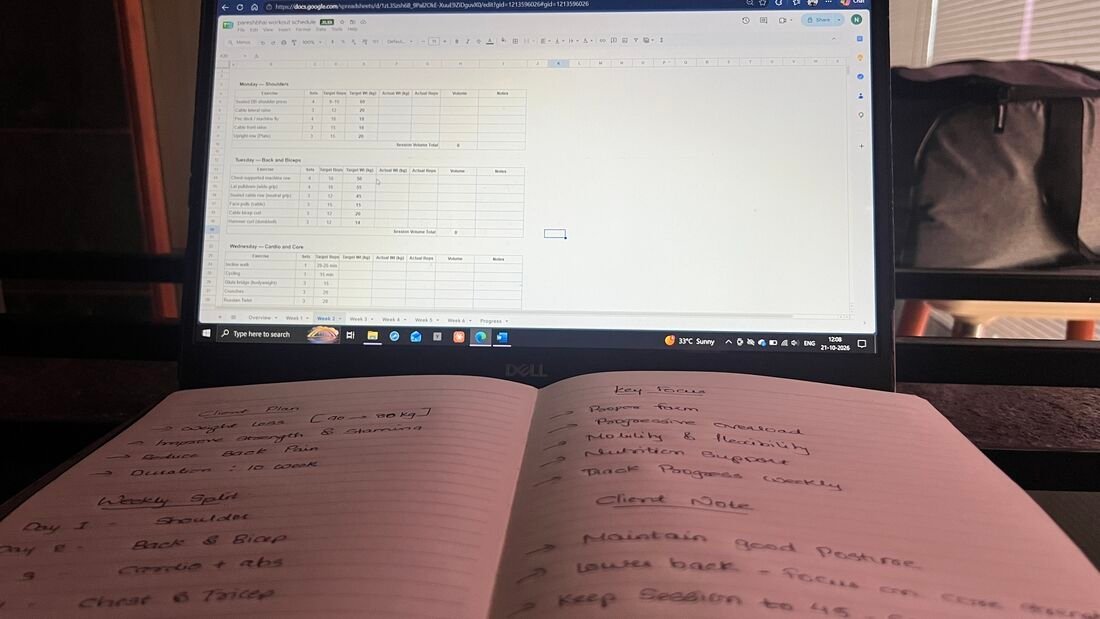
Step 4: Track your progress
A notebook or phone note is enough. Record exercises, sets, reps, weight and how you felt. Increase demands only when the current routine feels manageable and your form is solid.
Step 5: Make it part of your life
Choose activities you enjoy and keep recovery days. Consistency beats occasional bursts of enthusiasm.
Feeling nervous? Quick first-day checklist
- Visit at a quieter time (mid-morning or early afternoon) for your first few sessions.
- Ask the trainer on duty to show you how to adjust two or three machines.
- Carry water and a small towel; wipe equipment after use.
- Re-rack weights and don’t hog a machine between sets when others are waiting.
- Everyone there started as a beginner. Most people are focused on their own workout.
How Often Should Beginners Exercise?
There’s no single perfect schedule. A fitness for beginners’ routine works best when you start with two or three sessions a week. Here is an example week for a healthy beginner:
| Day | Activity |
| Monday | Full-body strength |
| Tuesday | Brisk walk or easy cycling |
| Wednesday | Full-body strength |
| Thursday | Walking and gentle mobility |
| Friday | Full-body strength or an easier session |
| Saturday | Enjoyable outdoor activity or sport |
| Sunday | Rest or gentle movement |
If three strength sessions feels like too much, start with two. Daily movement such as walking to the shop or taking the stairs counts too.
Gym vs Home Workouts
| Factor | Gym | Home |
| Equipment | Wide range of machines and weights | Bodyweight or limited equipment |
| Guidance | Trainers often available | Self-guided unless you hire a coach |
| Convenience | Needs travel and membership | Fits around your schedule |
| Variety | Extensive | Depends on space and equipment |
| Cost | Membership and travel | Can be very low |
| Environment | Social, structured | Private |
You don’t need a gym to get fit. A gym helps if you want variety, structure or professional guidance. My advice: choose whichever you’ll realistically follow for the next three months. For official advice, see the NHS physical activity guidelines.
Nutrition, Hydration and Recovery
- Eat balanced meals with vegetables, fruit, whole grains and protein. Good protein sources include dal, chickpeas, milk, curd, paneer, eggs, fish, chicken and tofu.
- Drink fluids regularly, with extra during exercise and hot weather. Needs vary by person, so avoid copying someone else’s fixed quantity.
- Recover well. Sleep, rest days and easier sessions are when your body adapts. Soreness is normal after something new; severe or lasting pain is not.
- Be realistic about supplements. Most beginners don’t need them. Fix food, sleep and training first, and consult a professional if you have a medical condition or take medication.
Common Mistakes Beginners Should Avoid
- Copying advanced routines. Start simple.
- Lifting too heavy. If you can’t control it, it’s too heavy.
- Skipping recovery. Hard daily training isn’t required for progress.
- Expecting instant results. Strength and body changes happen at different speeds.
- Only doing cardio. Strength training matters too.
- Extreme diets. They are hard to sustain and leave you low on energy.
- Comparing yourself with others. Track your own progress.
- Ignoring pain. Stop and get advice for worrying symptoms.
- Changing programmes constantly. Give a plan 6 to 8 weeks before judging it.
- Treating one missed workout as failure. Just return to the plan.
Frequently Asked Questions
Why should beginners join a gym?
A gym gives you equipment, structure and access to trainers, plus a dedicated space that helps build routine. Home and outdoor workouts work well too.
How many days a week should a beginner go?
Two or three strength sessions a week is a sensible start for most healthy beginners, with walking or other activity on other days.
Can I lose weight by going to the gym?
Exercise supports weight loss, especially alongside balanced eating and good habits. Results vary and exercise alone doesn’t guarantee it.
Do I need a personal trainer?
No, but a qualified trainer can teach technique, pick suitable exercises and build a plan, which is especially useful if gym equipment is new to you.
Can I get fit without a gym?
Yes. Walking, cycling, dancing, bodyweight exercises and resistance bands all work.
How long until I see results?
It varies. Many people notice better endurance, energy and confidence before visible body changes, often within a few weeks of consistent training.
What should I do on my first day?
Wear comfortable clothes, bring water, warm up, learn to adjust the machines, and use light weights. Ask a trainer if unsure.
Is strength training suitable for women?
Yes. It improves strength, supports bone health and makes daily tasks easier. Programmes should follow goals and ability, not assumptions about gender.
What is the best age to start?
There isn’t one. Exercise can be adapted at any age. If you have a medical condition or significant limitation, get professional guidance first.
Conclusion: Start Small, Stay Consistent
Fitness isn’t reserved for athletes. It’s for anyone who wants to move comfortably, feel more confident and build healthier habits. A gym can be a great place to begin, but the real results come from showing up consistently, learning good technique, eating well and recovering properly.
At Brew & Beyond, we see fitness as part of a well-lived life, right alongside great coffee and good travel. Plan your first visit this week, keep it short, and build from there.
Most people find a fitness for beginners schedule easier to stick with than an intense one that burns out after a month.