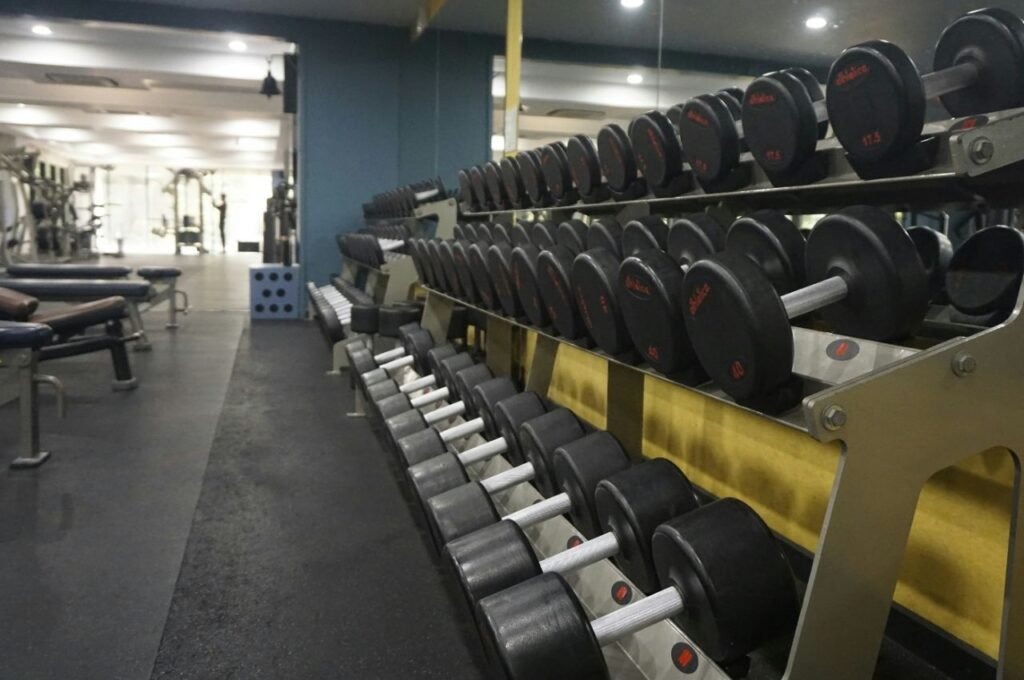
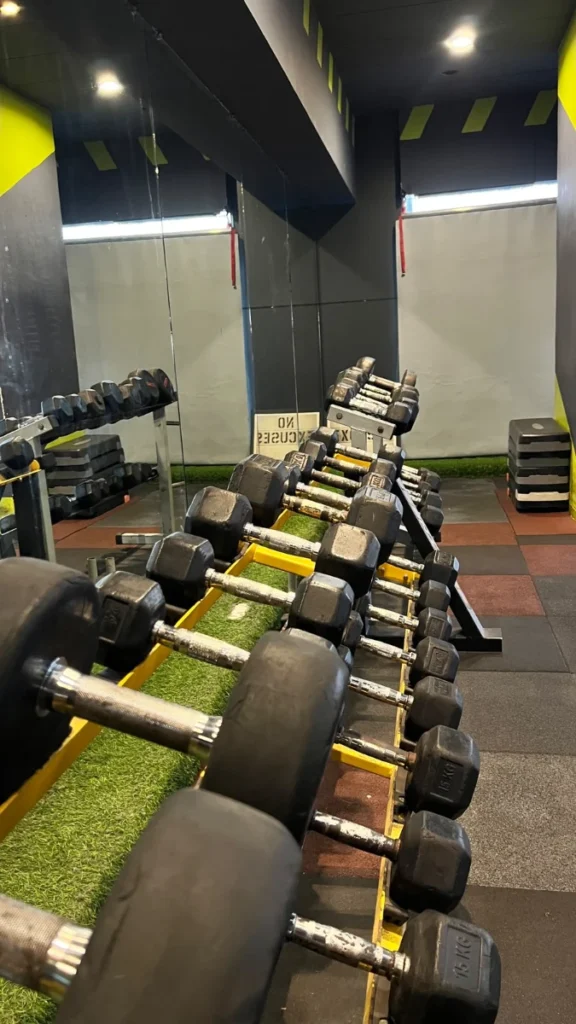
If you’re new to fitness, you’ve probably asked yourself cardio vs strength training: which one should you start with? The honest answer is that most beginners benefit from both, but in a particular order. Here are seven tips to help you decide, based on what I see with clients every week.
Walk into any gym and you’ll see the same argument playing out without a single word being spoken. One person is walking on the treadmill, convinced that cardio is the only way to lose fat. Another is near the dumbbells, sure that lifting is all that matters. And the beginner standing in the middle is quietly wondering what to do.
That beginner usually asks me the same question: “Which one should I start with?” So let’s settle the cardio vs strength training question properly, in plain English, without hype or promises of overnight results.
If you’re brand new to exercise, our Fitness for Beginners guide is a good place to begin. Come back here when you’re ready to plan your workouts.
Cardio vs Strength Training: The Short Answer
For most beginners, neither is better on its own. The most useful plan includes both, and the balance depends on your goal.
- Want a stronger heart and more stamina? Start with cardio and add strength work soon after.
- Want to build muscle or feel stronger in daily life? Start with strength training and add some easy cardio.
- Want to lose body fat? Use both. Food, sleep and consistency matter just as much as the workout itself.
- Not sure? Try two or three strength sessions and two or three easy cardio sessions every week.
Health guidelines point the same way. The World Health Organization suggests adults aim for 150 to 300 minutes of moderate aerobic activity a week, plus muscle-strengthening activities on two or more days. In other words, the experts ask for both types of exercise, not one or the other.
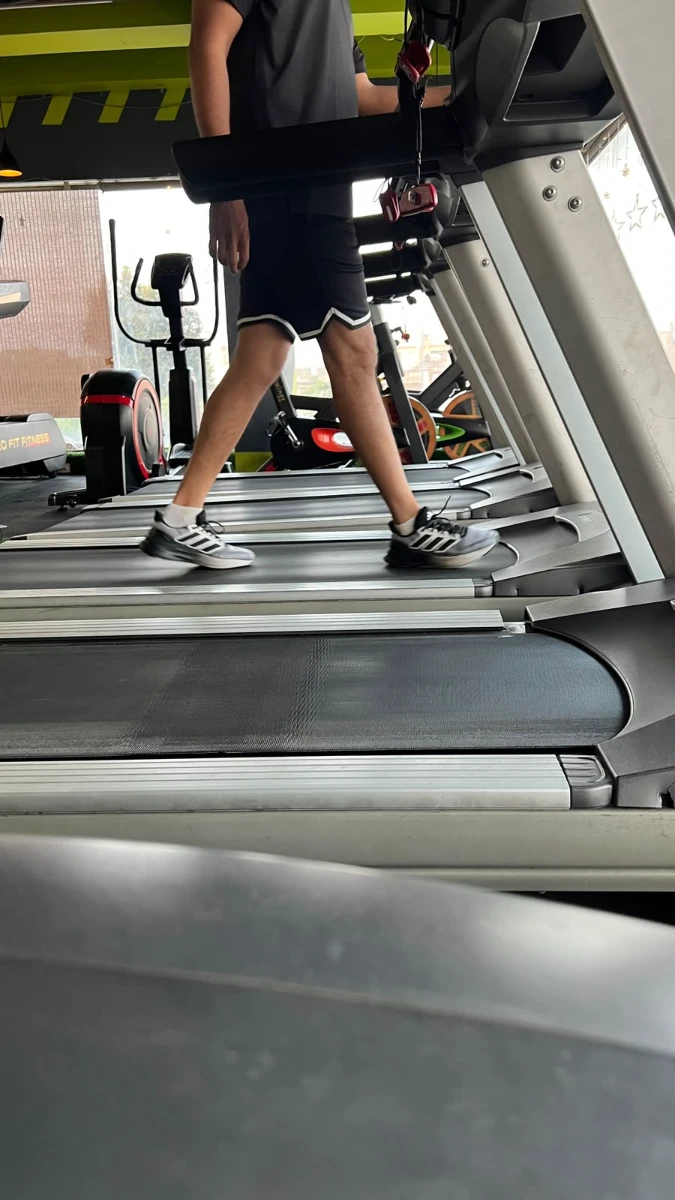
What Is Cardio?
Cardio is short for cardiovascular exercise. It’s any activity that raises your heart rate and breathing for a sustained period of time.
Common examples include:
- Brisk walking
- Cycling, outdoors or on a stationary bike
- Swimming
- Jogging or running
- Dancing and aerobic classes
- Treadmill, cross-trainer or stair-climber workouts
What cardio does well
Cardio trains your heart and lungs to work more efficiently. Over time, everyday effort feels easier. Stairs, long walks and carrying bags stop leaving you breathless.
It can also lift your mood, help you wind down after a stressful day and support better sleep. And it’s easy to begin. A pair of comfortable shoes is often all you need.
Where cardio falls short
Cardio alone does little to build muscle strength. Doing too much too soon can also irritate your knees, ankles or hips.
Another common surprise is that a cardio session often burns fewer calories than people expect. It supports fat loss, but it works best alongside sensible eating.
What Is Strength Training?
Strength training, also called resistance training, makes your muscles work against a load. That load can be a machine, a cable, dumbbells, a barbell, a resistance band or simply your own body weight.
Beginner-friendly examples include the chest press, seated row, leg press, lat pulldown, supported squats and gentle core exercises.
What strength training does well
Strength training builds and maintains muscle. That makes daily tasks easier, such as lifting a suitcase, getting up from a low chair or carrying shopping.
It also supports bone health and joint stability when you use good technique. And when you’re losing weight, it helps you hold on to muscle instead of losing it along with the fat.
Many people also find that it improves posture and builds real confidence.
Where strength training falls short
Technique matters. Poor form or heavy weights too soon can lead to strains. The good news is that machines guide your movement, which makes them a friendly start.
Strength work on its own also won’t build as much heart and lung stamina as steady cardio will.
Cardio vs Strength Training: Side-by-Side Comparison
Here is a simple look at how the two compare.
| Factor | Cardio | Strength training |
| Main benefit | Heart, lungs and stamina | Muscle, strength and bone support |
| Best for | Endurance and general health | Strength, body shape and daily function |
| Equipment | Often none (walking) | Machines, weights, bands or bodyweight |
| Beginner difficulty | Easy to start | Needs a little technique |
| Effect on muscle | Small | Builds and maintains |
| Effect on stamina | Strong | Moderate |
| Typical session | 20 to 40 minutes | 30 to 50 minutes |
| Common risk | Joint stress if overdone | Strain if technique is poor |
Think of it this way. Cardio builds the engine, and strength training builds the frame the engine sits in. A good car needs both.
How Cardio and Strength Training Affect Your Body
Heart and lungs
Cardio is the clear winner here. Regular sessions train the heart to pump blood more efficiently. Strength training helps too, but in a smaller way.
Muscles and strength
Strength training wins this round. Muscles grow and stay strong when they’re challenged with resistance. Cardio helps muscular endurance, but it won’t build much strength.
Fat loss and body shape
This one is a tie. Cardio increases your weekly energy use, and strength training protects muscle and shapes your body. Neither works well if food and sleep are ignored.
Bones and joints
Strength training and weight-bearing activity support bone health. Walking helps as well. Beginners should add weight slowly so the joints can adapt.
Mood, stress and sleep
Both types of exercise are linked with better mood and improved sleep. The best option is the one you enjoy enough to repeat.
Cardio vs Strength Training for Different Goals
Your goal should decide how you split your week. Use these as starting points.
For fat loss
Choose both. Aim for two or three strength sessions to protect muscle, plus regular walking or cardio for added activity. Pair this with balanced meals. No workout can promise fat loss on its own.
For building muscle
Make strength training your priority. Add light cardio once or twice a week for heart health and to help recovery.
For stamina and heart health
Give cardio the larger share, and add two short strength sessions each week to support your joints and posture.
For stiffness and everyday movement
Combine gentle strength work with mobility exercises and easy walking. Move through a comfortable range and avoid forcing stretches.
For busy people
Short sessions count. Try 30 minutes: 15 minutes of simple strength exercises followed by 10 to 15 minutes of brisk walking or cycling.
For older adults
Both matter. Muscle and bone strength can decline with age if they aren’t trained, and cardio supports the heart. Start gently and, if you have a health condition, talk to a doctor first.
Real Examples From Our Gym
Theory is useful, but real people show how cardio vs strength training works in practice.
The client who wanted more stamina
One client came to us wanting to build stamina. He has asthma, and he had already tried several gyms where he was simply told to “do regular exercise” without any guidance. Naturally, he found it hard to trust another gym.
We asked him to give us three days and then decide whether to stay. We began with easy cardio and taught him to focus on his breathing. He chose to stay, and we started tracking his routine, progress and food together.
After a month, he was noticing real changes in his stamina and felt sessions were becoming easier. The lesson? Beginners often need a patient start and proper guidance more than a hard workout.
If you have asthma or any other medical condition, speak to your doctor before starting, and always follow their advice about your medication.
The client who couldn’t bend
Another client came in wanting to lose fat, but his bigger problem was stiffness. He couldn’t sit down properly and found it hard to bend and pick things up.
We built his plan around mobility and gradual strength work. After a month, we reviewed his progress and asked how he felt. He told us honestly that he could now sit a little lower and bend down more easily. He decided to keep training until he’s happy with his body.
His story is a good reminder that progress isn’t only about the scale. Moving freely is a real win.
Can You Combine Cardio and Strength Training?
Yes, and most beginners should. You can do both in the same session or on separate days.
A simple order for a combined workout
- Warm up for 5 to 10 minutes with easy movement.
- Do your strength exercises while you still have energy.
- Finish with 10 to 20 minutes of cardio.
- Cool down and stretch gently.
If strength is your main goal, lift first. If stamina is your main goal, you can start with cardio. Pick the order that matches your goal and keep the effort comfortable.
Same day or separate days?
Both work. Separate days give you more energy for each session. Same-day workouts save time. Choose whichever you can stick with.
A 4-Week Cardio vs Strength Training Starter Plan
This is a general example for healthy adults, not medical advice. If it feels too much, reduce it.
| Day | Weeks 1 and 2 | Weeks 3 and 4 |
| Monday | Full-body strength, light weights, 2 sets | Full-body strength, 2 to 3 sets |
| Tuesday | 20 minutes easy walk or cycling | 25 to 30 minutes brisk walk or cycling |
| Wednesday | Rest or gentle mobility | Rest or gentle mobility |
| Thursday | Full-body strength | Full-body strength |
| Friday | 20 minutes easy cardio | 25 to 30 minutes cardio at a slightly faster pace |
| Saturday | A fun activity such as sport, dance or an outdoor walk | A fun activity |
| Sunday | Rest | Rest |
An easy strength session
- Chest press
- Seated row
- Leg press
- Lat pulldown
- A gentle core exercise
Choose a weight you can control for 10 to 12 repetitions, and stop a few reps before you feel you can’t continue.
How to check your cardio pace
You should be able to speak in short sentences without gasping. If you can’t, slow down.
Increase the time or the weight only when your current routine feels manageable and your form is solid.
Signs You’re Doing Too Much
More is not always better. Watch for these warning signs:
- Pain that is sharp or gets worse
- Soreness that lasts many days
- Poor sleep or constant tiredness
- Falling performance or loss of motivation
If this sounds familiar, take an extra rest day or reduce the load. Stop exercising and seek medical help if you feel chest discomfort, dizziness or unusual breathlessness.
Common Mistakes in Cardio vs Strength Training
- Doing only cardio because it feels safer.
- Avoiding weights because of myths about getting “bulky”.
- Lifting too heavy before learning technique.
- Skipping rest days, which is when your body adapts.
- Copying someone else’s routine that doesn’t match your level.
- Expecting exercise to fix a poor diet.
- Quitting after a few weeks because results feel slow.
For more on gym basics, food and recovery, read our beginner’s guide to joining a gym.
Food, Sleep and Recovery Matter Too
Whichever side of the cardio vs strength training debate you lean towards, your results depend on what happens outside the gym.
- Eat balanced meals with vegetables, fruit, whole grains and protein such as dal, chickpeas, curd, paneer, eggs, fish, chicken or tofu.
- Drink water regularly, with a little extra during exercise and hot weather.
- Sleep well. Recovery is where your body adapts to training.
- Take rest days. They are part of the plan, not a break from it.
Frequently Asked Questions
Should beginners do cardio or weights first?
It depends on your goal. For strength and muscle, do weights first. For stamina, you can begin with cardio. Many beginners do well starting with strength and finishing with a short cardio session.
Is cardio or strength training better for weight loss?
Both help. Cardio adds to your weekly activity, and strength training helps you keep muscle. Together with balanced food and good sleep, they work better than either alone.
Will strength training make me bulky?
Not quickly or by accident. Building large muscles takes years of focused training and eating. Most beginners simply get a firmer, stronger body and easier daily movement.
How many days a week should a beginner do cardio and strength training?
Two or three strength days and two or three cardio days is a good starting point, with at least one full rest day.
How long should a beginner’s cardio session be?
Start with 15 to 20 minutes at a comfortable pace and build up slowly.
Can I do cardio and strength training on the same day?
Yes. Keep the session manageable, and take a rest day if you feel overly tired.
Do I need a personal trainer?
Not always. But a qualified trainer can teach technique, set a safe starting level and adjust your plan if you have limitations.
Is HIIT good for beginners?
Short, intense intervals can be effective, but beginners should first build a base of easy cardio and basic strength, and get guidance before trying them.
Conclusion: Don’t Pick a Winner, Build a Balance
The cardio vs strength training debate sounds like a competition, but it isn’t one. The two do different jobs. Cardio builds your engine, and strength training builds your frame.
As a beginner, you don’t need to choose a side. You just need a plan you’ll follow for the next three months. Start with two strength sessions and two easy cardio sessions each week, learn good technique, rest properly and adjust as you improve.
Small, steady steps beat dramatic starts every time.